Portable Toilets to Rent: A Simple Guide for East Bridgewater Residents and Planners
If you live in East Bridgewater or manage a job site, you already know how quickly “no big deal” plans turn into last minute logistics. A field day needs restrooms. A roof repair needs a safe way to handle worker breaks. A power outage or a plumbing failure can make the day feel a lot longer than it should.
Portable toilets on rent solve a simple problem: people still need a clean, reliable place to use the restroom, even when the building is tied up, closed, or under construction. A good rental partner makes that feel routine, not stressful. The trick is matching the unit to your situation, planning the placement, and being clear about expectations before the first delivery truck shows up.
Below is a practical guide for Portable Toilet Rental in East Bridgewater style timelines, where weather, access, and on the ground constraints matter as much as the unit itself.
When portable toilets on rent become the right decision
In many East Bridgewater projects, the decision is not about convenience, it is about responsibility. People work and gather where restrooms are not available, or where the existing facilities are temporarily out of service. That can include construction sites, remodeling jobs, community events, and emergency scenarios.
I’ve seen the pattern more than once: the team planned to “just deal with it” until the first full day. Then the parking lot turns into a back-and-forth on where people can go, security starts managing complaints, and supervisors lose time addressing avoidable issues. Portable toilets to rent remove that friction. They also help you keep the area more sanitary, reduce unsupervised “side-of-the-building” use, and keep the workflow moving.
For residents, portable toilets often come up in situations like:
- a bathroom remodel where the household still needs a workable schedule
- a private event where guests will be outside for hours
- a driveway replacement or landscaping project where worker access matters
- an emergency portable toilet rental after a plumbing failure, sewage issue, or a broken sewer line
Once you are thinking in terms of Porta Potty Rental East Bridgewater, the goal is to pick the right type and scale it so you are not constantly playing catch-up.
Choosing the right portable toilet for your site
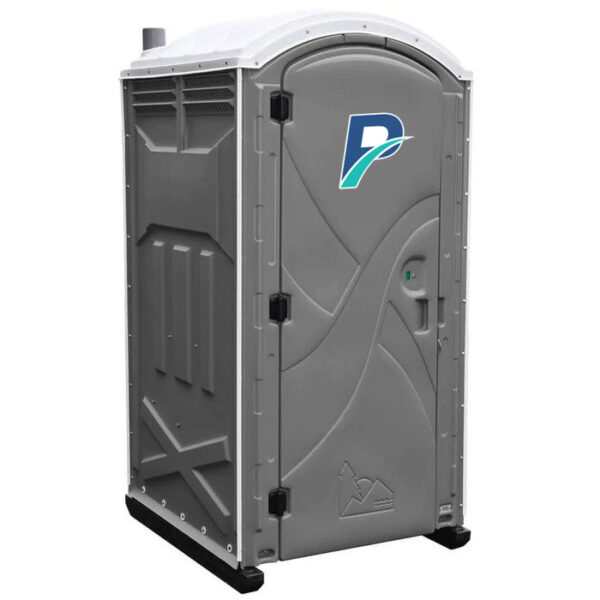
Portable toilets are not all the same, even if the outside looks similar. Capacity, comfort, sanitation, and setup requirements vary, and those differences show up fast in real use. A basic unit may cover short, informal needs, while a more comfort-focused option performs better for events, higher foot traffic, and longer rentals.
The most common decision point is balancing simplicity with user experience. People notice restrooms more than you might expect, especially at events where they are already dealing with weather, walking distances, and noise.
Here are the typical categories you will run into when shopping for Portable Toilet Rental, including the kind of units Premier Portable Potties tends to provide based on the job:
- Standard porta potties: straightforward, durable, usually the best fit for short-term work or basic event needs
- Deluxe units: added comfort features, often preferred when the rental is for guests or staff on longer shifts
- ADA accessible portable toilets: wider entry space and layouts designed for accessibility needs
- Handwashing and wash station setups: important if your event or job has food handling, lots of traffic, or a hygiene requirement
If you are unsure, describe your situation the way you would to a site supervisor. Tell them how many people, how long they will be there, and whether there is any accessibility requirement. That single conversation typically determines whether a standard unit is enough or whether you should step up to deluxe and accessories.
How many units you need (without guessing wildly)
Sizing is where most people either overspend or under-plan. An undersupplied restroom situation can create lines and frustration, and it can also increase messes. Oversupplying can still be a problem, mostly because it adds cost and requires extra placement space you might not have.
A realistic approach is to estimate total use, then size for a comfortable flow rate. For example, a few dozen people spread across a few hours may be fine with fewer units, while a larger crowd arriving at the same time needs more capacity to avoid pileups.
Weather changes behavior too. On a hot day, people tend to use facilities more frequently, and they are also more likely to report odor quickly. On colder days, people may delay use, but when they do go, you can get quick surges. These are not theoretical concerns, they are day-of realities.
If you want a simple rule to start with, think in terms of peak usage. A construction crew with staggered breaks is different from an event where guests move through the same window. When in doubt, aim for a setup that gives you breathing room rather than just barely enough.
A rental professional can usually confirm sizing quickly based on your schedule and headcount. Be ready with details like:
How long people will be on site, whether there are kids involved, and whether alcohol or food service is part of the plan. Those factors can shift restroom demand more than you would expect.
Placement matters more than most people think
Many rental problems are not caused by the unit. They are caused by placement and access. A portable toilet needs space to be delivered, leveled, and serviced. It also needs a path people will actually use, ideally without walking through mud, crossing driveways unsafely, or threading through equipment.
When you place a portable toilet, you are balancing three goals:
First, keep it accessible so people use it correctly and do not “work around it.” Second, keep it far enough from kitchens, food prep, or gathering areas that nobody feels like they are stuck near an unpleasant spot. Third, make sure the delivery and pickup crew can reach it without damaging lawns, sidewalks, or landscaping.
If your property has tight turns or limited driveway width, plan for the fact that the delivery truck needs room to position. East Bridgewater has a lot of residential streets and neighborhoods where you cannot assume a truck can swing wide like emergency sanitation services it would on a commercial lot.
I once watched a setup go sideways because the toilet was placed too close to a fence line. The unit was usable for the first day, then pickup day arrived and the service route forced the crew to lift and reposition more than they expected. It was still resolved, but the extra time created delays. That is the kind of avoidable friction you prevent by thinking like the person who has to service the unit later.
Preparing your site for delivery
Good preparation is simple, but it is not glamorous. If you want a smooth Porta Potty Rental East Bridgewater experience, do the groundwork before the driver calls “we’re here.”
For example, consider ground conditions. Soft soil or uneven ground can affect leveling and comfort. Gravel can help if the area tends to get muddy. Grass may be fine for short setups, but heavy use during the rental can cause ruts, especially if the area is used by vehicles or if the unit gets wheeled repeatedly during service.
Also think about visibility. If the toilet is hidden behind a shed or around a corner with no clear path, people will either walk farther than you expect or skip it. Clear placement also reduces the chance of the unit being used as storage for props, hoses, or other items.
If you are managing a site with foot traffic, you may need a clear walk route. That can be as simple as choosing the placement location near existing paths, with enough room for people to queue without spilling into restricted areas.
Here is a quick, practical checklist you can use to plan for portable toilets on rent, based on what usually prevents delays:
- confirm where the delivery truck can park and access the drop location
- verify ground conditions so the unit can be leveled safely
- keep the unit reasonably near pedestrian paths for easy use
- plan for service access so pickup is not a battle
- confirm any accessibility needs in advance, especially for events
What to expect during the rental process
A Portable Toilet Rental process should feel orderly, even if your deadline is not. A reliable provider will ask questions and confirm the delivery date, unit type, and service frequency. If they do not ask enough questions, you may be the one doing the problem solving on site.
Most rentals involve delivery, placement, and then servicing on a schedule. Service frequency depends on number of users, event duration, and how quickly the unit will fill. If you are renting for a multi-day job or a longer event, it matters that the servicing aligns with real usage, not a generic calendar.
Ask about how servicing works. Some rentals are straightforward with scheduled pump and refill service. Others may include additional attention if the site has heavy traffic or unusual circumstances. Be specific about what you are hosting. For instance, an emergency portable toilet rental after a plumbing failure may involve a different user pattern than a planned event, because people may be coming and going unpredictably during the repair window.
Also clarify who is responsible for keeping the area around the unit accessible. In many cases, the client or site manager needs to ensure the area stays clear so the unit remains usable and the service team can work safely.
And do not wait until the day of delivery to think about communication. A quick announcement at the event or a note to residents and staff that the restroom is available and where it is located can reduce confusion. Confusion leads to people using other spots, and those “other spots” are often the ones you least want them using.
Hygiene, odors, and what “clean” really means on a portable unit
Portable toilets are designed for sanitation in a way that is different from a home bathroom. The experience comes down to maintenance and proper usage.
Odor is not just a smell issue. It can affect how comfortable people feel, and it can impact whether guests respect the facility. Most odor concerns are addressed through routine servicing, adequate placement, and appropriate unit type. If you use a unit that is undersized for the crowd, you increase the likelihood of unpleasant conditions developing sooner than expected.
If you rent for a job site, it helps to consider how people will use the facility. If workers are expected to eat outdoors, whether they have access to handwashing, and whether gloves or other materials will be part of their work, you may need to plan for hygiene support. Adding a handwashing option can change the entire feel of the restroom setup.
If you are planning a longer rental, you should expect a service plan. For most people, that is just “it gets serviced,” but on busy sites, it is worth confirming the cadence. You want the service to match your usage, not the minimum schedule.
In other words, you should not treat hygiene as an afterthought. It is part of the rental you pay for, and it is also part of the respect you show people who are using the restroom.
Costs: what drives price and what to ask before you commit
Portable Toilet Rental costs vary based on unit type, rental duration, service frequency, and site conditions. Even if two people request rentals for the same number of units, the details can change the total.
In East Bridgewater, site access and ground conditions can matter. If the delivery route is tight, if the placement needs careful maneuvering, or if the site requires additional time to level the unit correctly, that can affect the logistical effort. Similarly, multi-day rentals typically include servicing, which changes the cost.
Another driver is the unit type. Deluxe and accessible units tend to cost more than standard models, but they can be worth it because user satisfaction improves. For events, especially those with families, a more comfortable option reduces complaints and makes your event feel more polished.
If you are planning an emergency portable toilet rental, the timing can also be a cost factor. When a rental needs to happen quickly because water or sewer service is down, you are paying for response speed and scheduling constraints.
Instead of trying to estimate a number without details, ask the rental provider for a clear breakdown. A good partner will explain what affects price and how they plan to keep the unit clean and functional for the entire rental.
Special scenarios where planning pays off
Some situations are straightforward. Others require better judgment because the risk is higher.
Construction and active work zones
On construction sites, the portable toilet is part of jobsite safety and order. If equipment traffic is heavy, you want the placement to avoid conflict. You also want a route that workers will use without cutting through unsafe areas.
If you expect a lot of worker turnover, it is still the same restroom capacity question, but the usage pattern changes. New crews arriving later may create peak demand at different times than you expected.
Events with families, food, or alcohol
Events create restroom surges. If you have a crowd that arrives together, a unit count that might be “fine” for a staggered crowd can suddenly feel inadequate.
For food events, think about handwashing. People may not wash hands afterward unless you give them a place to do it. Handwashing units also make the restroom area feel more intentional, which can reduce unpleasant reactions from guests.
Emergency portable toilet rental
Emergency situations often come with incomplete information. The plumbing may be out, the household may be displaced temporarily, or repairs may take longer than expected.
In an emergency, the goal is to restore basic function quickly while keeping the restroom area as clean and safe as possible. That usually means renting sooner rather than later, choosing a unit type appropriate for the number of people in the affected space, and staying realistic about servicing until the repairs stabilize.
If the downtime is uncertain, it can help to ask whether the rental can be extended without drama once you know the timeline. That flexibility is one of the most valuable parts of working with a dependable provider.
Real-world examples from East Bridgewater-style use cases
One reason I keep portable toilets on the planning radar is how often the need shows up mid-project.
Example one: a local homeowner starts a bathroom renovation and assumes the work will wrap in a week. The first disruption is manageable, then the contractor hits a plumbing issue that extends the schedule. Suddenly the house is running on limited bathroom access, and everyone starts timing their day around a single functional sink and shower. A correctly sized portable toilet rental keeps the household functioning while the repair continues.
Example two: a small field event with food trucks and live music ends up longer than expected due to weather. The crowd thins out during breaks, then returns for the final set. If the restroom plan was made for the early portion only, demand spikes again at the end. When we adjusted the plan based on the event schedule, the restroom lines became manageable and people stopped asking whether “the bathroom is coming back.”
Example three: a short-term construction project where the crew thought “we can just deal with it.” The first day passes. The second day becomes stressful because people are not only waiting, they are tracking where they can go and trying to coordinate around work tasks. A portable toilet to rent placed near the work staging area ended those informal arrangements. Productivity improved because time stopped getting spent on minor logistics.
These examples share a theme. The best outcomes come from matching the unit to real usage patterns, not just a headcount number.
How to make it easier for everyone using the restroom
Even the best unit will perform poorly if people do not feel comfortable finding it or respecting it. Simple steps help.
If you have staff using the unit, brief communication matters. Let people know where it is and that it is for restroom use, not storage. If you have an event, signage or a staff member directing guests can prevent confusion, especially for new arrivals.
Also, manage expectations for cleanliness. People will report problems quickly if the unit looks neglected. When servicing is scheduled properly, that concern fades. When it is not, people start to notice. That is why aligning service frequency with your usage matters so much.
If you choose a provider like Premier Portable Potties, it usually helps that they can steer you toward the right unit type and service plan for your exact scenario, instead of treating every request like the same job.
If you are planning ahead, start with the right questions
Before you lock in portable toilets on rent, you want answers that match your real constraints. Delivery timing, service frequency, and access details are the backbone of a good rental.
A provider should be able to walk you through what they need from you and what you can expect from them. If a quote is fast but vague, follow up with practical questions so you do not discover the missing details after the driver leaves.
Here are the key questions I would ask during a rental conversation, tailored to East Bridgewater needs and common site realities:
- what unit type and number of units do you recommend for my headcount and time window
- how often will the unit be serviced during my rental period
- what placement requirements do I need to meet for safe delivery and access
- do you offer ADA accessible units if accessibility is required
- can the rental be extended if the timeline changes
Once you have those answers, you can plan placement with confidence and avoid the “we thought it would be fine” problem.
Getting the most out of your portable toilet rental
A successful rental is not only about having a unit on site. It is about making the restroom area work smoothly for users and service crews. When the unit is appropriately sized, placed in a sensible location, and serviced on schedule, it becomes one of those logistical details people stop thinking about. That is the ideal outcome.
If you are searching for Porta Potty Rental East Bridgewater or exploring portable toilets to rent for a project, event, or emergency, treat the decision like you would any other essential service. Provide real numbers, describe your access constraints, and ask how servicing will be handled.
Then, plan the site so the unit can be used without confusion or inconvenience. When those pieces line up, the rental does exactly what it is supposed to do, support people’s needs while you focus on the work, the event, or the repair.
And when you do that, the day does not get derailed by something preventable.
Premier Portable Potties
35 Industrial Dr, East Bridgewater, MA 02333, United States
(774) 444-6997
[email protected]
website: https://www.premier.boston/